
 +38044 537 0806


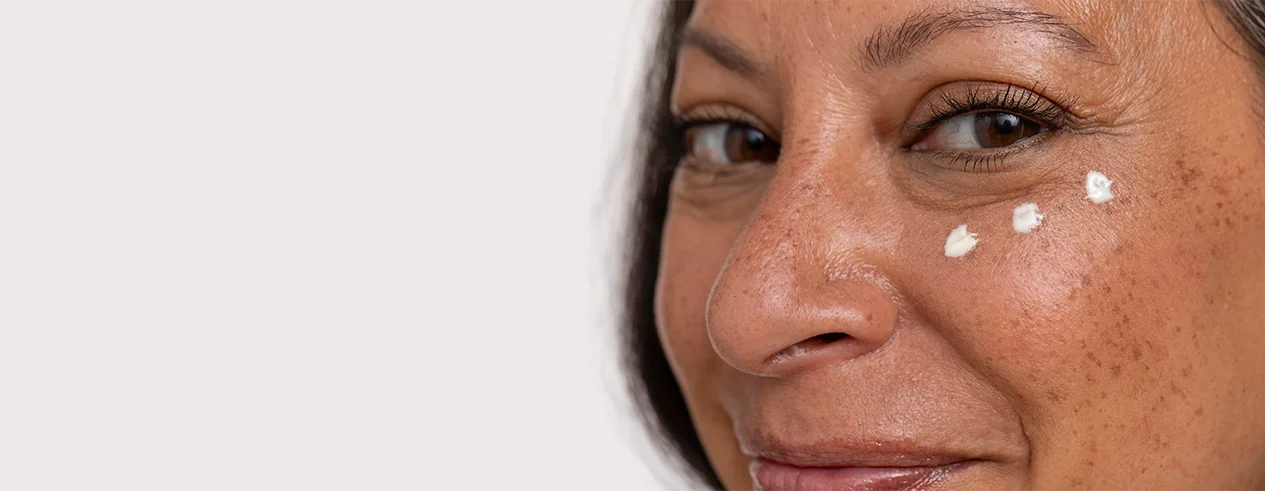
Skin Hyperpigmentation: Why It Occurs and How to Treat It Effectively. The Role of Lumicor in Post‑Procedure Rehabilitation.
Hyperpigmentation is one of the most common aesthetic concerns for patients who visit Venus Clinic. Dark spots, uneven tone, melasma, post-acne marks or sun damage — all these are manifestations of excessive melanocyte activity and the accumulation of melanin.
The causes of hyperpigmentation vary: ultraviolet radiation, hormonal changes, inflammation, photoaging, aggressive procedures or improper skincare. You can read more about the mechanisms of development in the article on hyperpigmentation.
In this article, we will review modern methods of treating hyperpigmentation used at Venus Clinic and explain why Lumicor is a key product for post‑procedure rehabilitation and the prevention of post‑inflammatory hyperpigmentation.
Why hyperpigmentation appears: a deeper understanding of the problem
Hyperpigmentation is not just “spots on the skin”. It is a complex biochemical process involving:
- melanocytes,
- inflammatory mediators,
- ultraviolet radiation (especially UVA‑I),
- hormonal factors,
- individual characteristics of the skin phototype.

An especially challenging form is melasma — a chronic condition that requires a comprehensive approach and long‑term maintenance.
Treatment methods for hyperpigmentation at Venus Clinic
1. BBL Sciton — the gold standard of photorejuvenation
The BBL Sciton system is one of the most effective methods for treating hyperpigmentation. Thanks to its wide spectrum of light wavelengths, it:
- breaks down excess melanin,
- lightens dark spots,
- evens out skin tone,
- stimulates skin rejuvenation processes.
BBL is especially effective for sun‑induced pigmentation and photoaging. However, after the procedure, the skin requires proper care to prevent the recurrence of dark spots.
2. Retinoid peels (Pure Retinol)
Retinoid peels are a powerful method that:
- accelerates cell renewal,
- reduces hyperpigmentation,
- improves skin texture,
- enhances the effect of device‑based treatments.
After the peel, it is important to avoid irritation and control inflammation — this is where Lumicor plays a key role.
3. Fractional laser rejuvenation
After laser resurfacing, the skin goes through an active recovery phase. During this period, there is a risk of developing post‑inflammatory hyperpigmentation, especially in patients with medium and darker phototypes.
Proper care during the rehabilitation period is critically important.
Comprehensive post‑laser skincare by Melicor
Melicor™ skincare is designed to meet the needs of skin after laser procedures, making the recovery period predictable and safe.
Lumicor: a key product in post‑procedure rehabilitation
Lumicor is a professional anti‑hyperpigmentation cream with bioavailable tranexamic acid.
Its action is aimed at:
- blocking inflammatory signals,
- reducing melanocyte activity,
- preventing post‑inflammatory pigmentation,
- lightening existing dark spots.
When to use Lumicor?
- After BBL Sciton — starting the next day after the procedure.
- After retinoid peels — to stabilize the result and reduce the risk of recurrent pigmentation.
- After fractional laser rejuvenation — to prevent post‑inflammatory hyperpigmentation and accelerate recovery.
- During preparation for laser procedures — reduces melanocyte activity and lowers risks.
Lumicor does not cause irritation, does not provoke peeling, and is suitable even for sensitive skin.
SPF 50 Melicor — an essential step in pigmentation treatment
No treatment method will be effective without photoprotection.
SPF 50 Melicor provides:
- high protection,
- broad‑spectrum coverage,
- UVB, UVA‑II and UVA‑I protection — the spectrum responsible for deep and persistent pigmentation.
This is critically important after BBL, peels and laser procedures.
GliSODin Brightening — enhancing results from within
For patients with melasma, chronic pigmentation or a high risk of PIH, we recommend adding antioxidant support — GliSODin Brightening.
It:
- reduces oxidative stress,
- decreases melanocyte activity,
- enhances the effect of Lumicor and device‑based treatments.
Comprehensive approach at Venus Clinic
To achieve the best results, we recommend:
- BBL Sciton / retinoid peels / laser rejuvenation — depending on the type of pigmentation.
- Enzyclean — gentle cleansing without irritation.
- Epicalm Plus — post‑procedure recovery.
- Lumicor — treatment and prevention of hyperpigmentation.
- SPF 50 Melicor — daily, without exceptions.
- GliSODin Brightening — antioxidant support.
This approach not only eliminates pigmentation but also prevents its recurrence.
FAQ
Why does hyperpigmentation occur and can it be completely removed
Hyperpigmentation occurs due to the accumulation of melanin. Causes include ultraviolet radiation, hormonal changes, inflammation and photoaging. In most cases, pigmentation can be significantly reduced or completely removed with BBL Sciton, retinoid peels and properly selected skincare.
Which hyperpigmentation treatments are the most effective
At Venus Clinic, the best results are achieved with BBL Sciton, Pure Retinol peels and fractional laser rejuvenation. The choice of method depends on the type of pigmentation, skin phototype and individual characteristics.
Why use Lumicor after procedures
Lumicor, starting from days 5–7 of rehabilitation, reduces melanocyte activity, blocks inflammatory signals, accelerates recovery and lowers the risk of post‑inflammatory hyperpigmentation. It is an essential step after BBL, retinoid peels and laser rejuvenation.
Can Lumicor be used for melasma
Yes. Lumicor is suitable for treating melasma thanks to its bioavailable tranexamic acid, which works at a deep level and reduces inflammation. It is recommended to combine it with GliSODin Brightening antioxidants.
Is SPF necessary after pigmentation treatment
Yes. SPF 50 Melicor provides protection against UVB, UVA‑II and UVA‑I — the spectrum responsible for deep and persistent pigmentation. Without photoprotection, pigmentation returns even after the most effective treatments.
Can Lumicor be used before procedures
Yes. Lumicor reduces melanocyte activity and lowers the risk of post‑inflammatory hyperpigmentation after laser treatments, BBL or peels. This is especially important for patients with medium and darker phototypes.
What skincare is needed during the rehabilitation period
We recommend Enzyclean for gentle cleansing, Lumicor from days 5–7, SPF 50 Melicor daily and GliSODin Brightening antioxidants to enhance and stabilize results.
When can results be expected
Initial improvements are visible after 3–4 weeks, with stable results after 8–12 weeks. Melasma requires long‑term maintenance and consistent photoprotection.


